Closed
The Grand Bazaar
Shopping · Bazaars
Grand Bazaar, Fatih, Istanbul, Turkey
About
GRAND BAZAAR (Covered market)
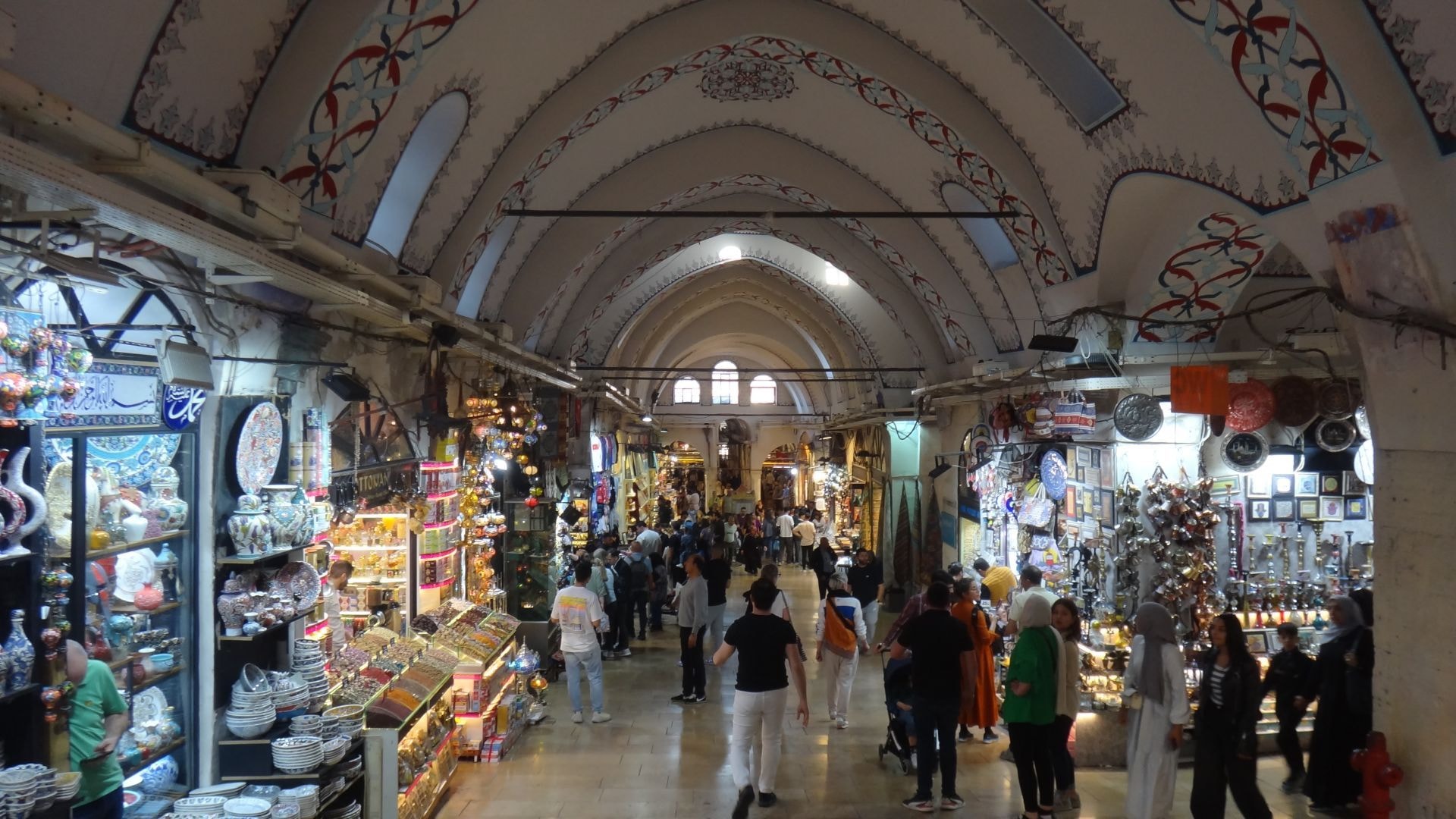
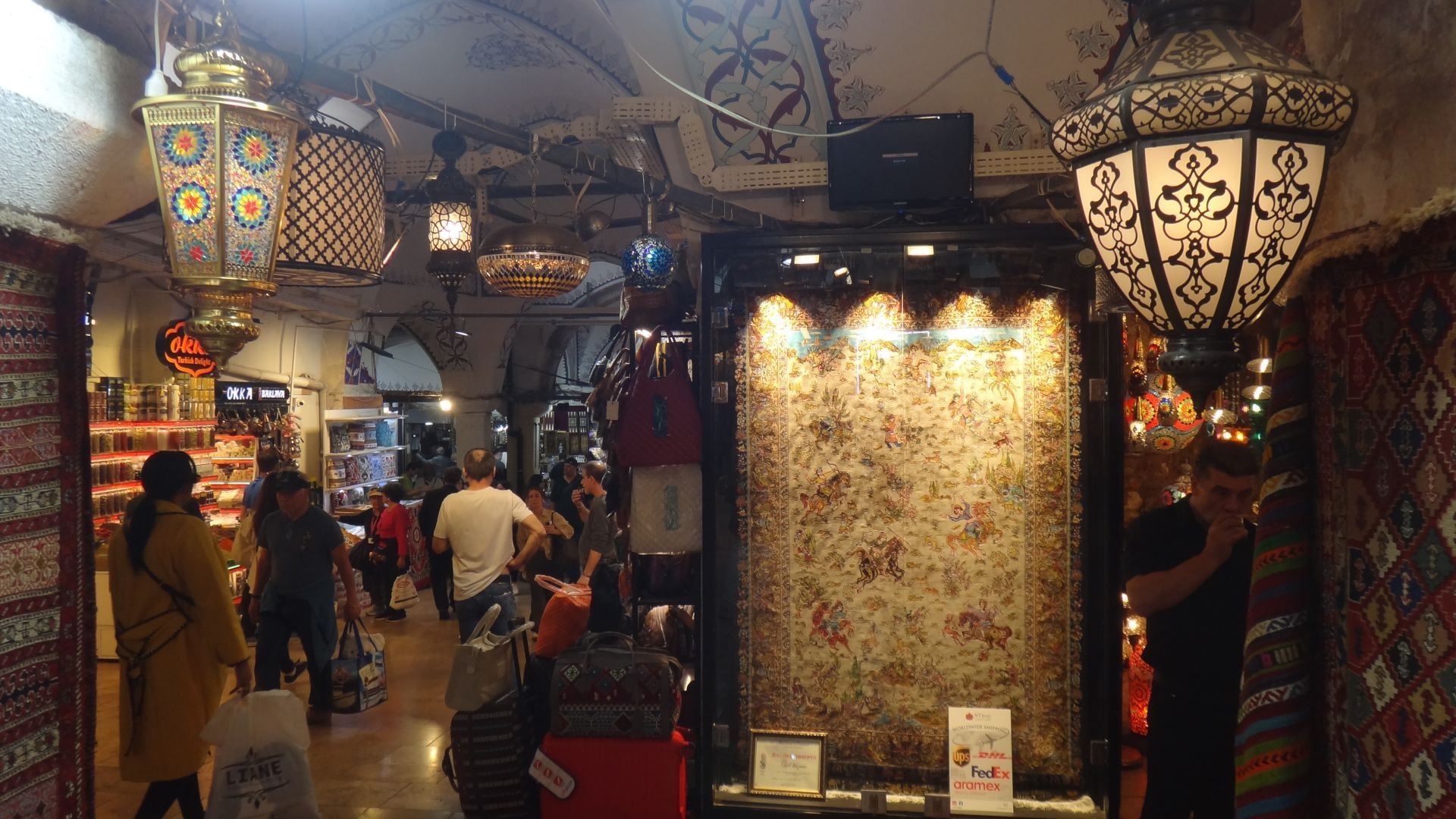
Istanbul's Grand Bazaar is one of the largest and oldest covered markets in the world and one of its main shopping centers. In 2014, it was ranked number 1 among the most visited tourist attractions in the world with 91,250,000 visitors per year. It attracts between 250,000 and 400,000 visitors per day.
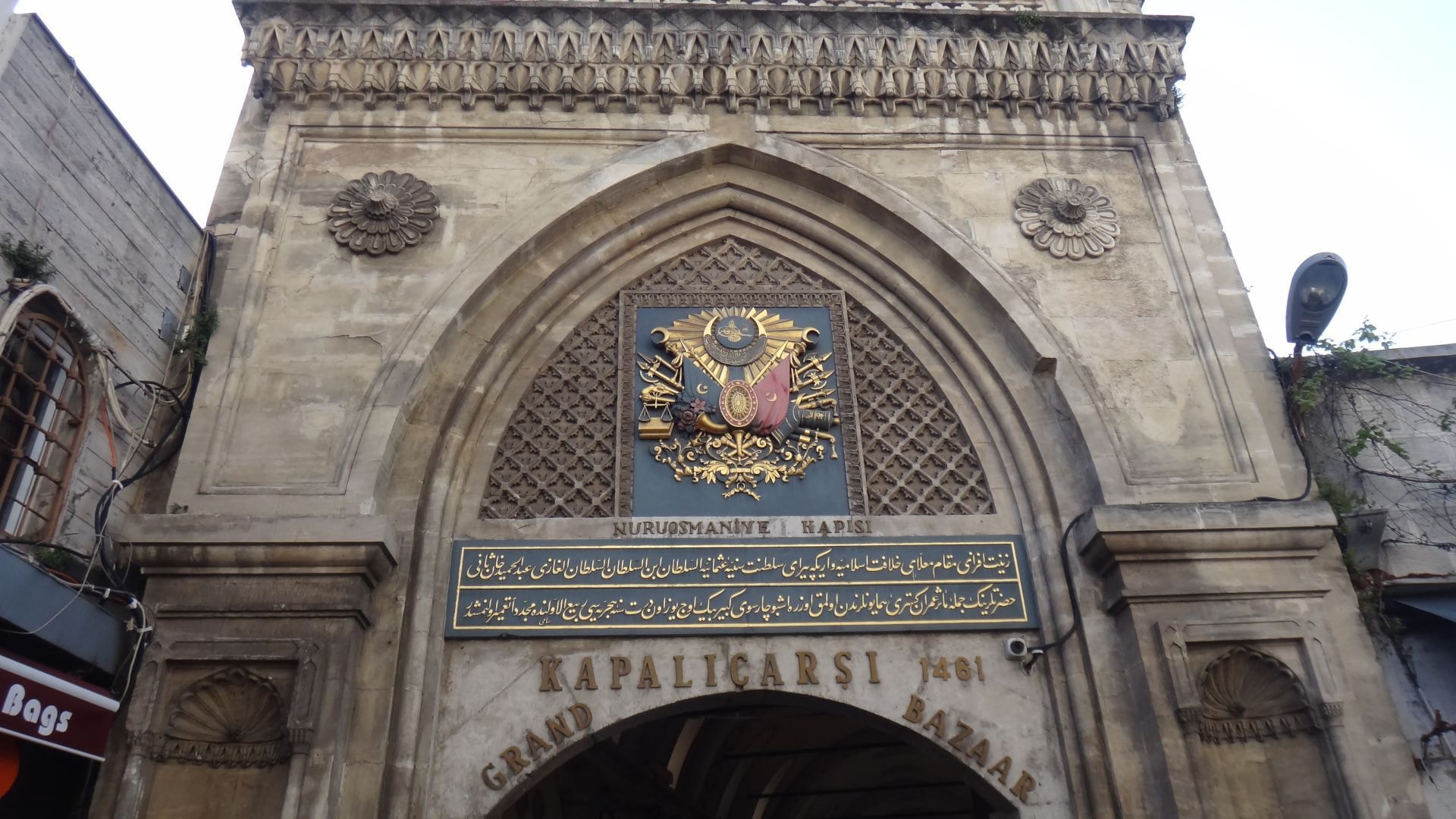
Known by several names, the Grand Bazaar is also called the Grand Market in Turkish (Büyük Çarşı) or the Covered Bazaar (Kapalıçarşı).
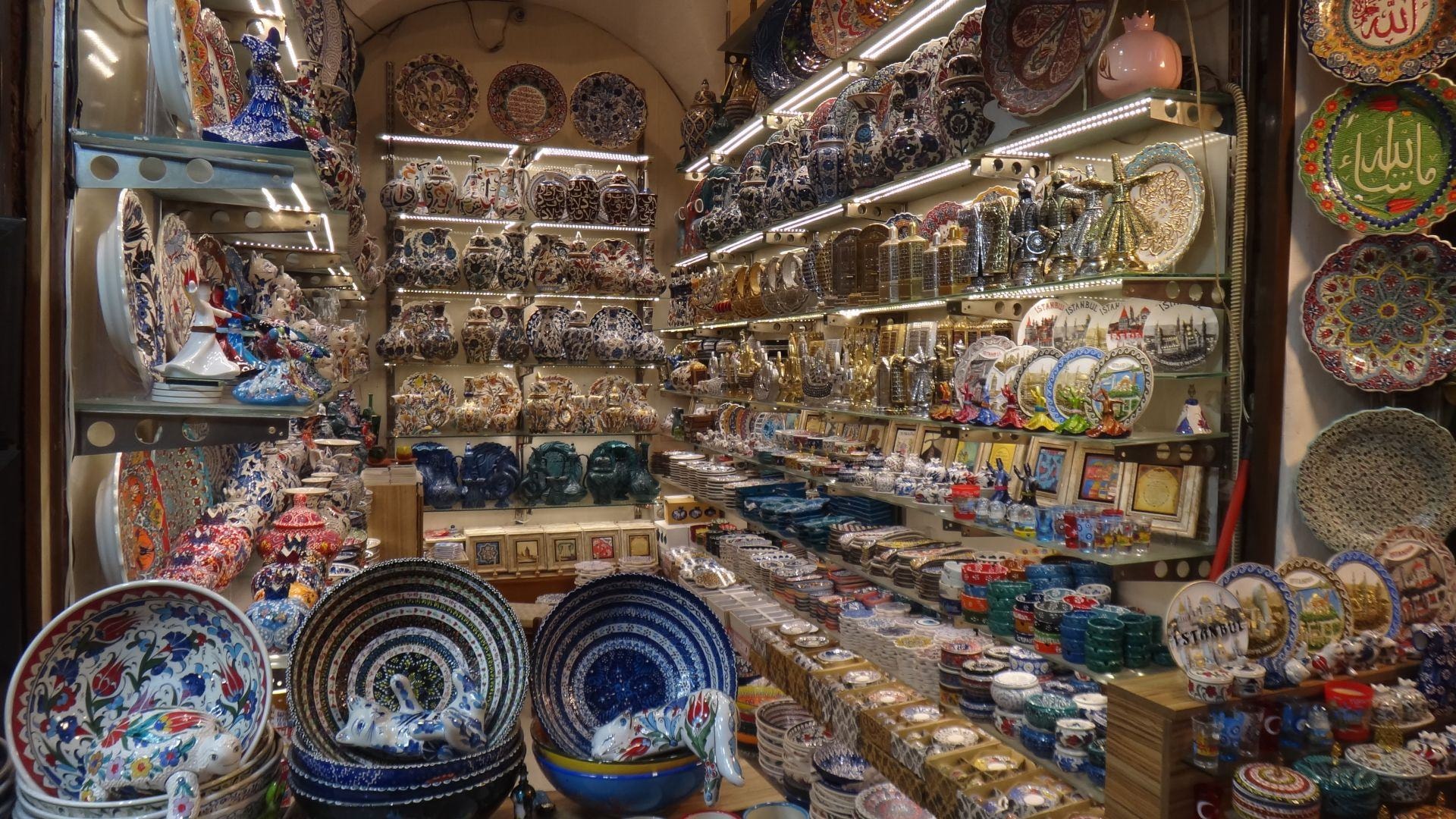
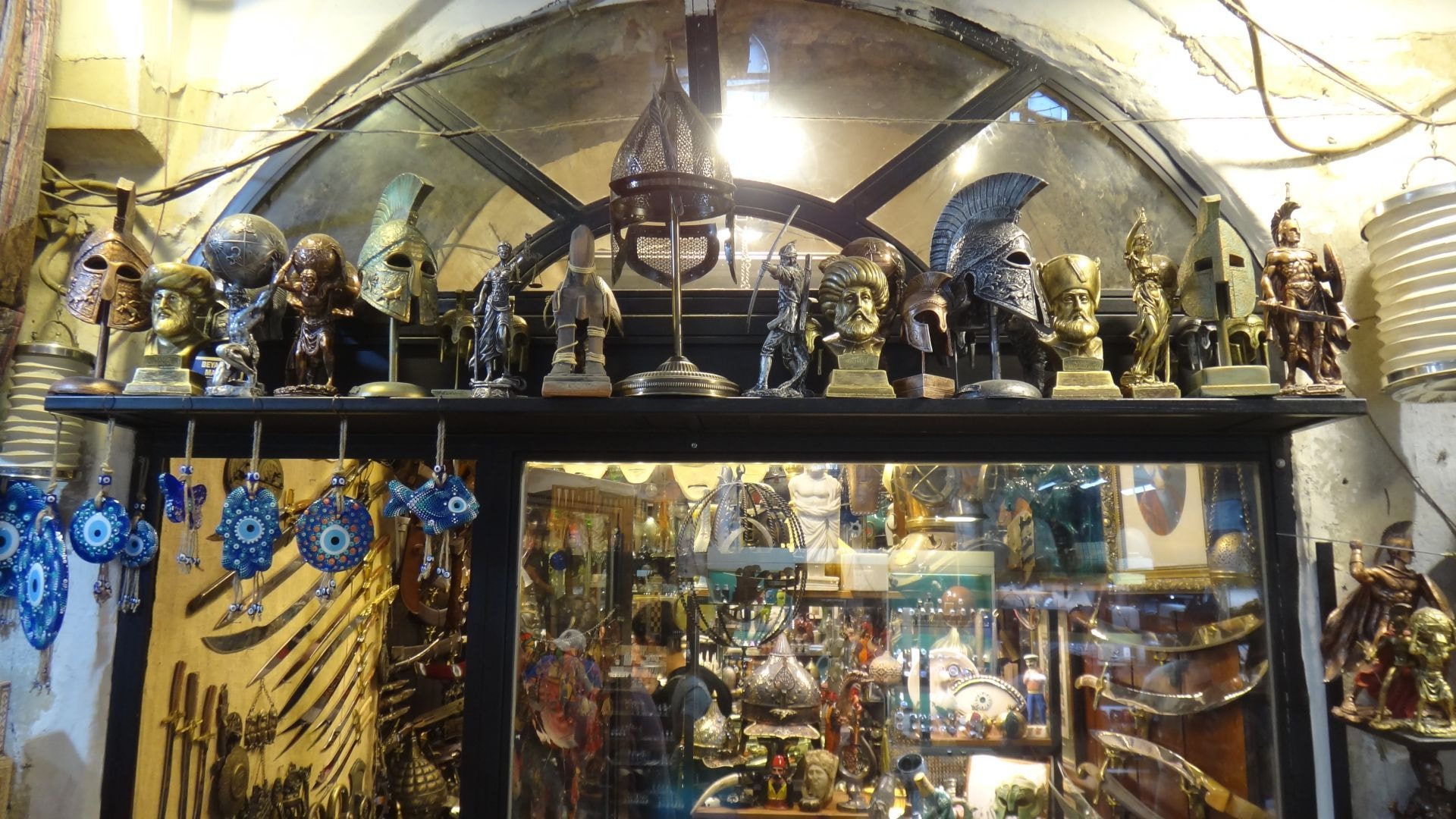
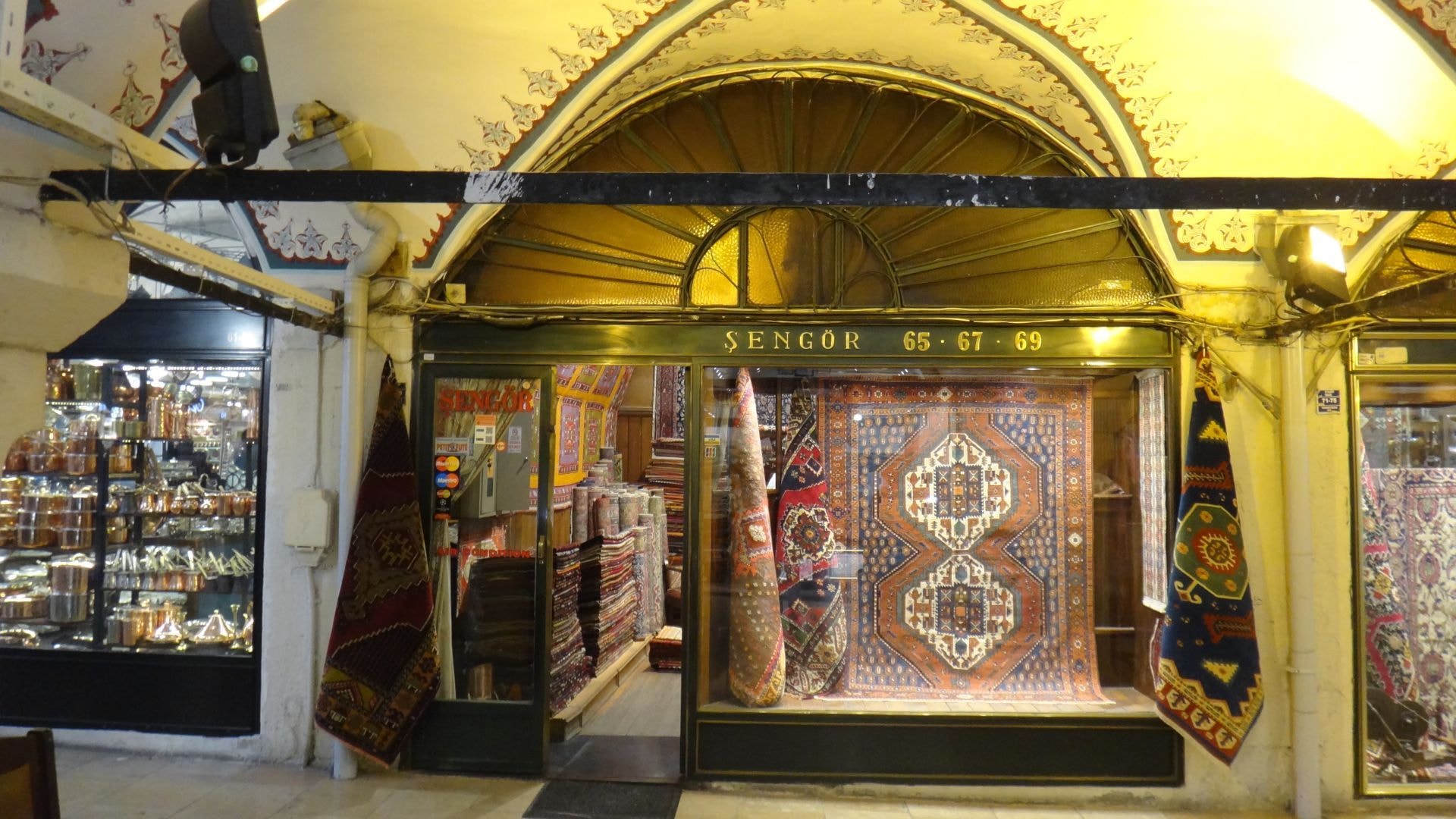
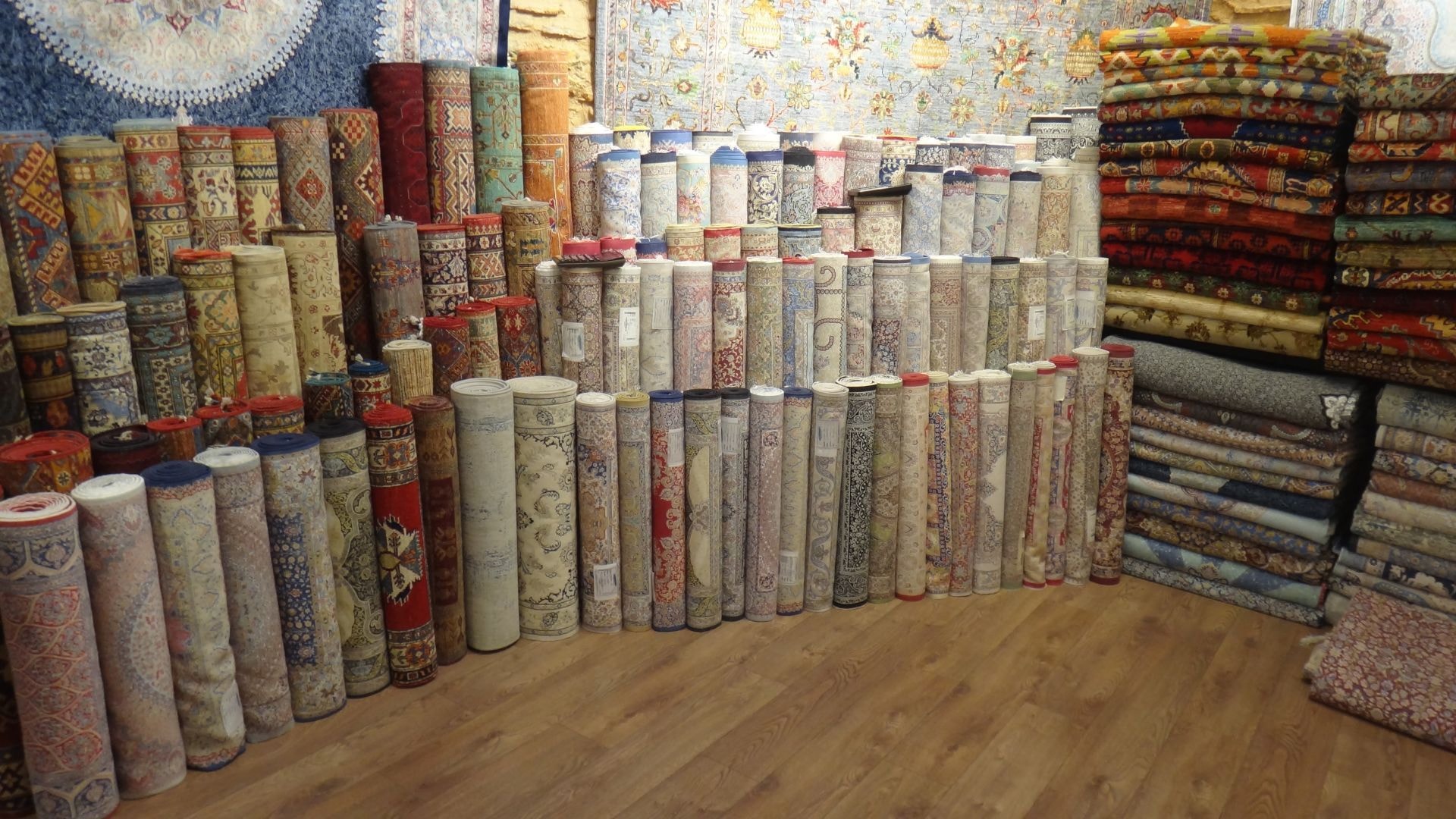
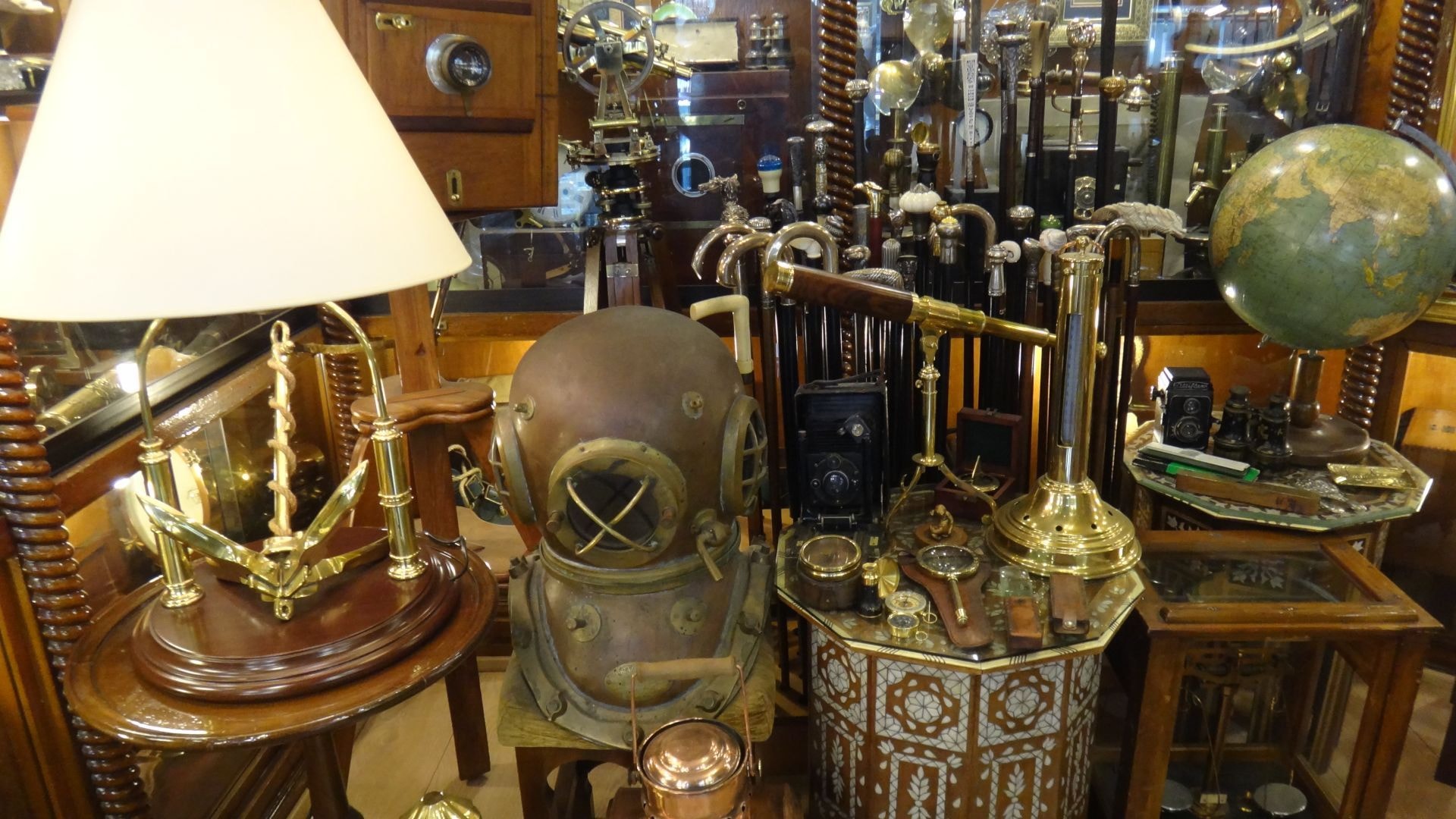
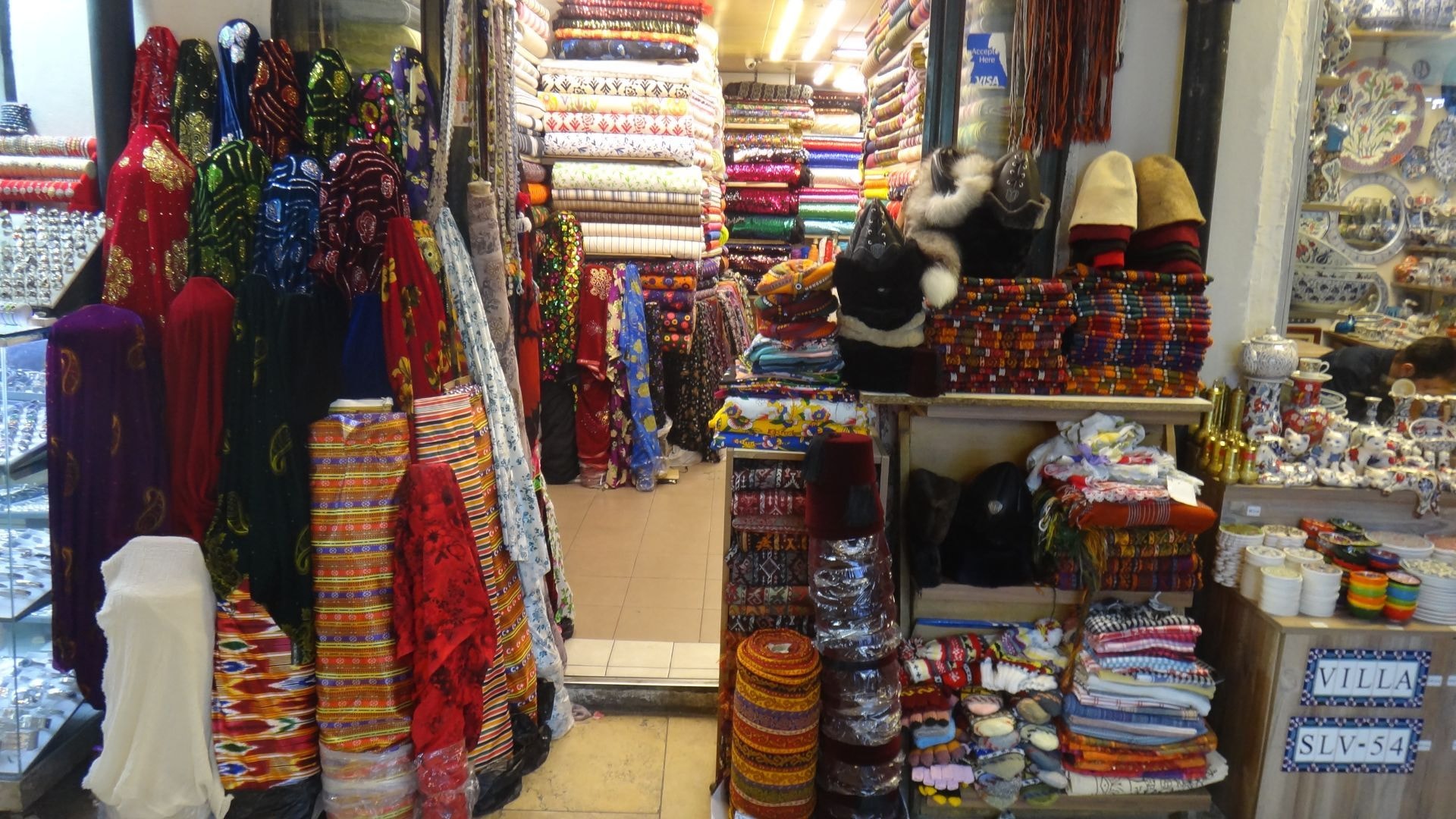
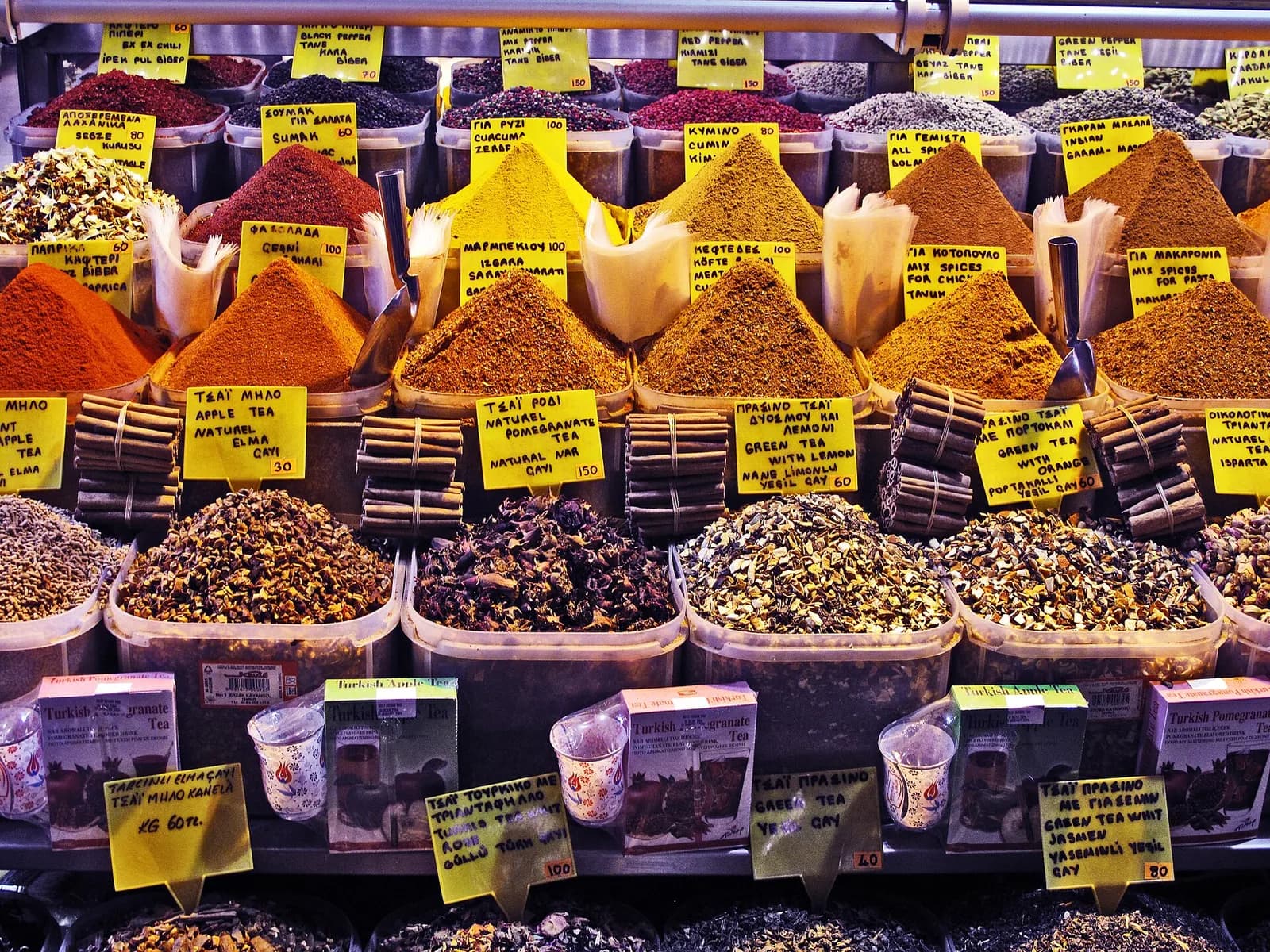
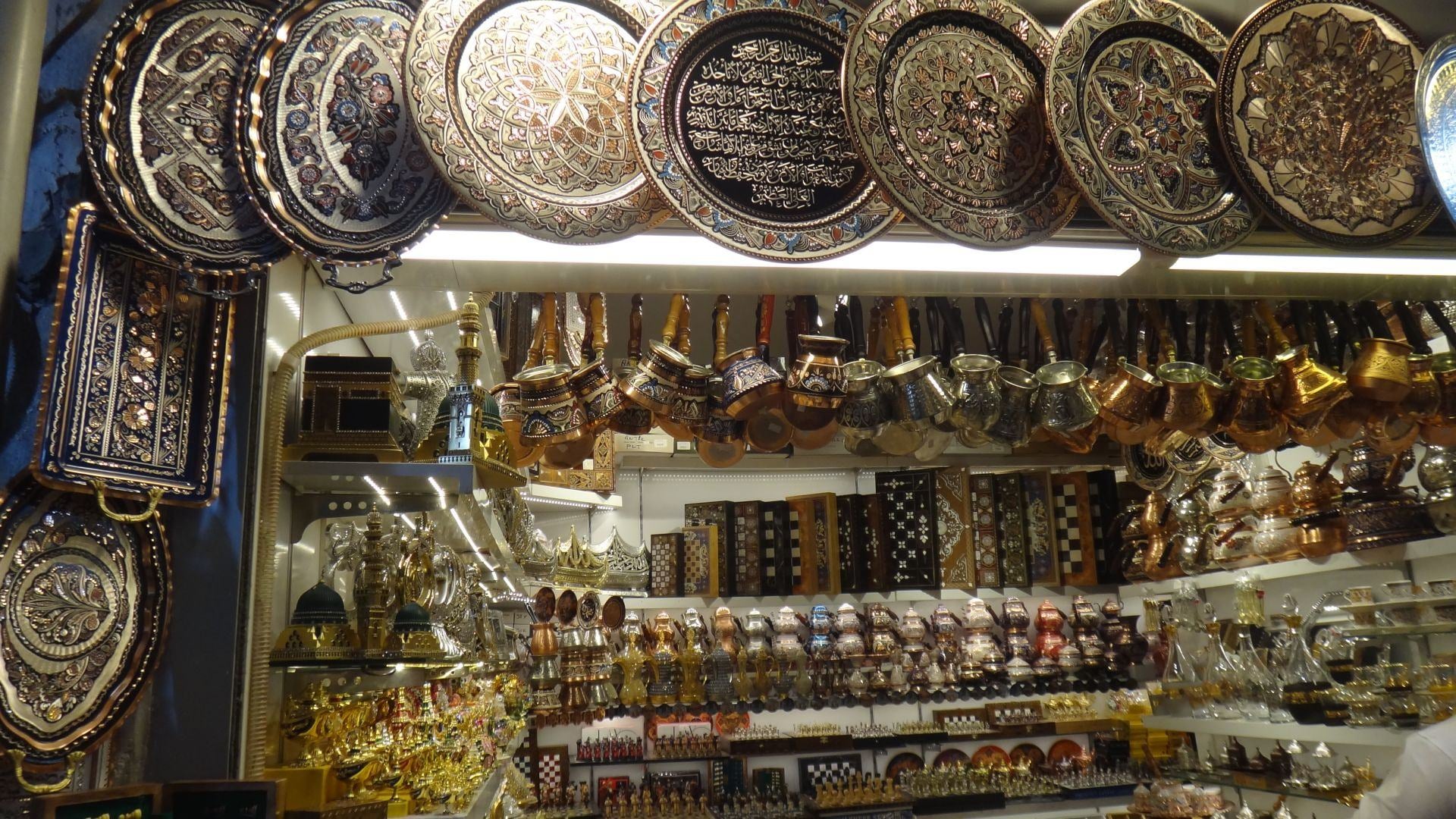
With its more than 4,000 shops, over a total area of 30,700 m², the GRAND BAZAR includes many specialized sectors, spread over 61 streets, including the gold market, the silver market, the copper market, the fabric market, the carpet market, the antique market, a spice and candy market,…
LOCATION :
The Grand Bazaar is notable for its location in the Beyazit district, in the heart of Istanbul, close to Hagia Sophia and the Blue Mosque, in addition to a number of famous tourist attractions stretching west approximately east between Beyazit II Mosque and Nur Osmaniye Mosque, it is easily accessible from Sultanahmet and Sarıkçi by Istanbul Tram.
HISTORY :
Construction of the core of the future Grand Bazaar began in the winter of 1455, shortly after the conquest of Constantinople, and was part of a larger initiative to boost Istanbul's economic prosperity. Sultan Mehmed the Conqueror erected an edifice dedicated to the textile and jewelry trade near his palace in Constantinople called Jevahir Badistan ("Bed of Jewels") It was also known as Bezistan Sidud, which means new bed in Turkish Ottoman. The building was completed in the winter of 1460/1461 AD.
By the beginning of the 17th century, the Grand Bazaar had already completed its final form and the massive expansion of the Ottoman Empire over three continents, and the complete control of road links between Asia and Europe, made the bazaar and its surrounding provinces or khanates a center of Mediterranean trade, which according to many European travelers of that time and until the first half of the 19th century, constituted a market without equal in Europe by the abundance, the variety and the quality of the goods on sale.
Additional information
- Tags
- Historical places
Gallery (10)