Open now
Beylerbeyi Palace
Tourism · Meseums
Beylerbeyi, Abdullahağa Cd., 34676 Üsküdar/İstanbul
About
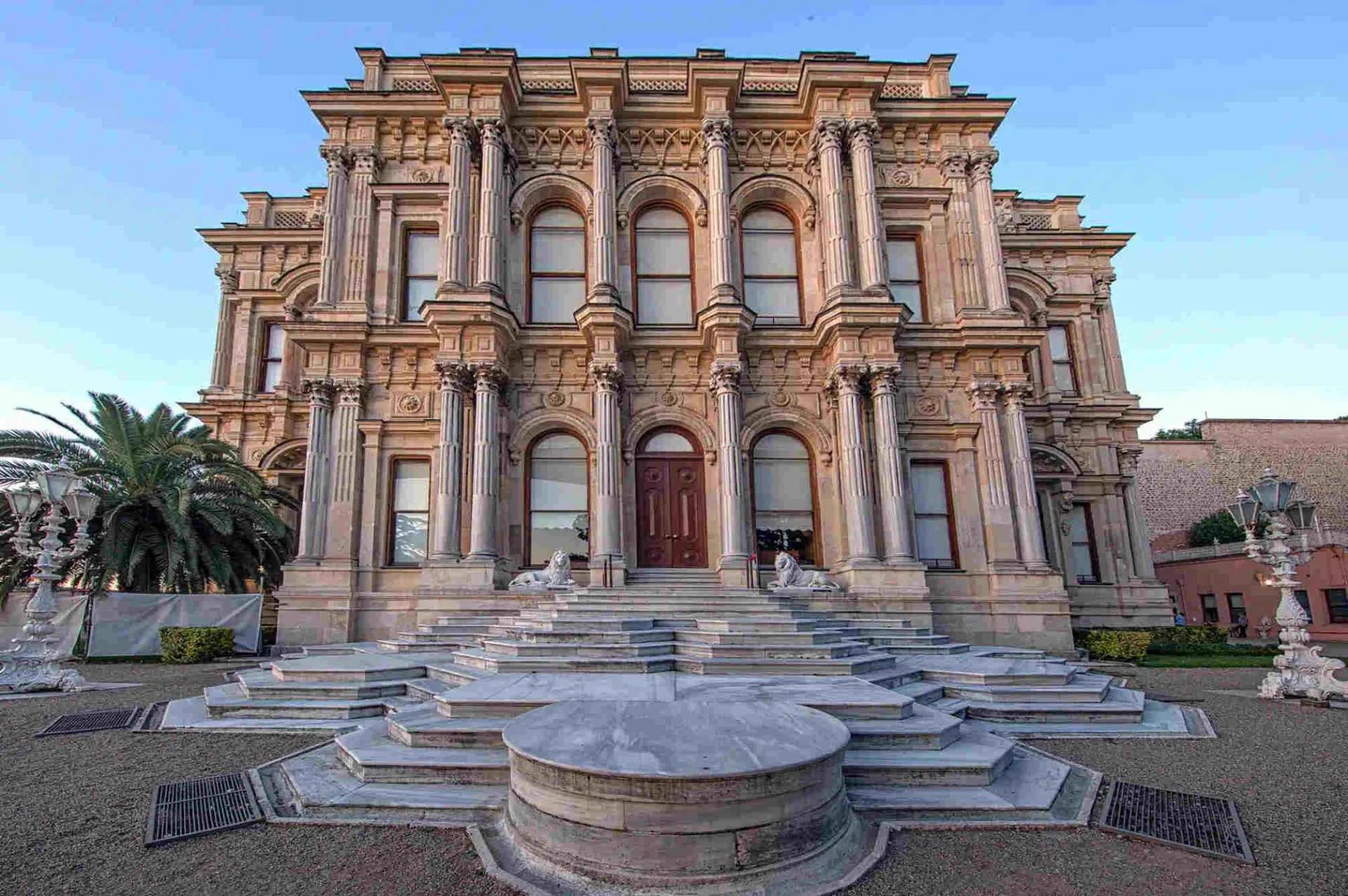
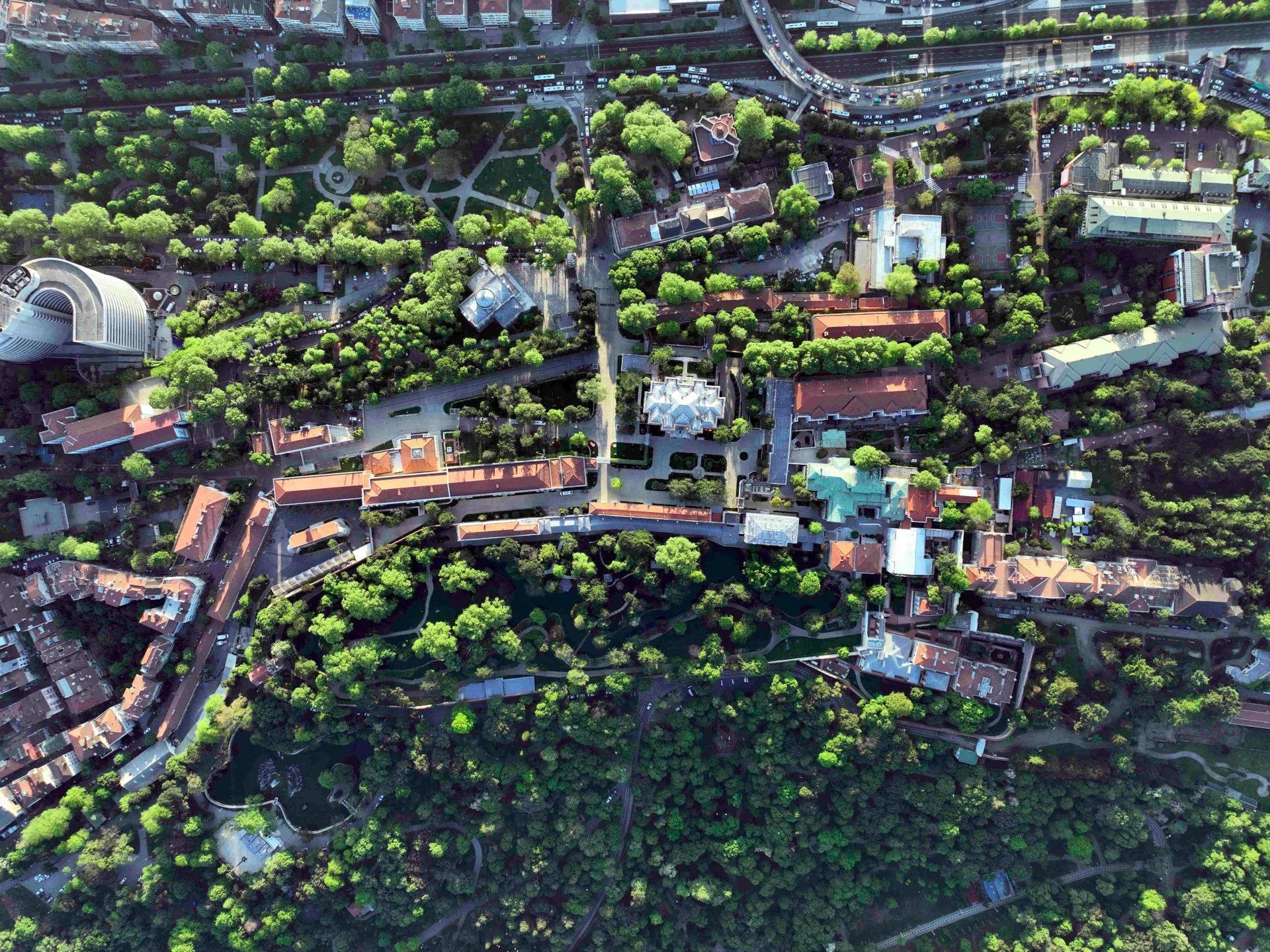
Beylerbeyi and its environs have been a residential area since Byzantine period. Sultan Mahmud II (1808 -1839) ordered to built a wooden palace on the site of some earlier buildings constructed in the area at various periods. When this burned down, a new palace and additional buildings were built between the years 1863-1865 by the order of Sultan Abdülaziz. The main palace building consisting of the Mabeyn and Harem sections can be visited. The Yellow Kiosk located beside the big pool on the upper terrace garden, the Marble Kiosk, the Stable Kiosk, where the royal horses were kept, and the Marine Kiosks are closed to visitors.
Beylerbeyi Palace was used as a summer residence and as the State Guest House. Many guests stayed here like Franz Joseph, Emperor of Austria-Hungary (1869); Eugénie, Empress of France (1869); Nikola, King of Montenegro (1874) and German Emperor Wilhelm II. Sultan Abdülhamid II, after he was dethroned, spent his last six years in Beylerbeyi Palace and died here in 1918.
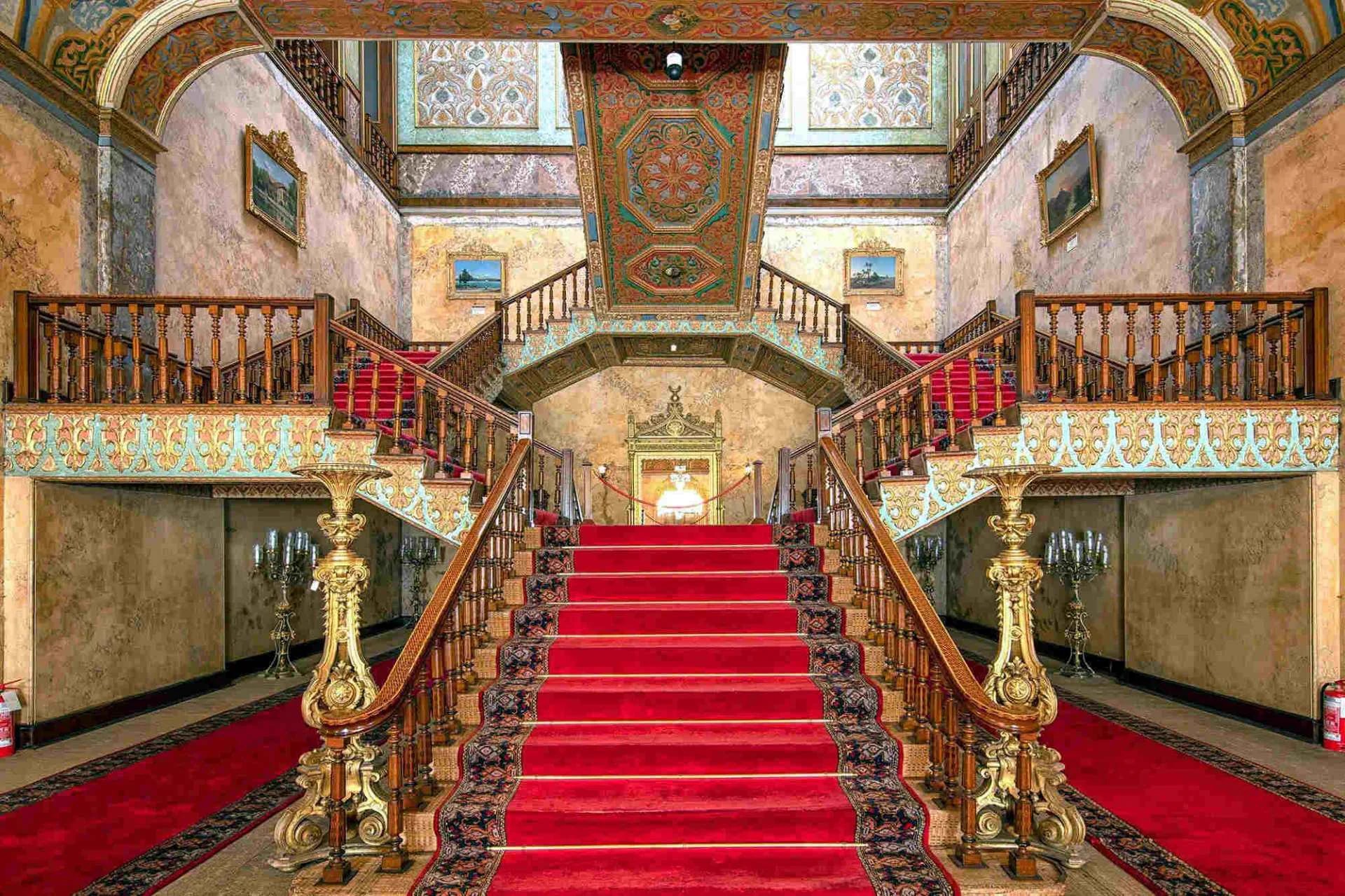
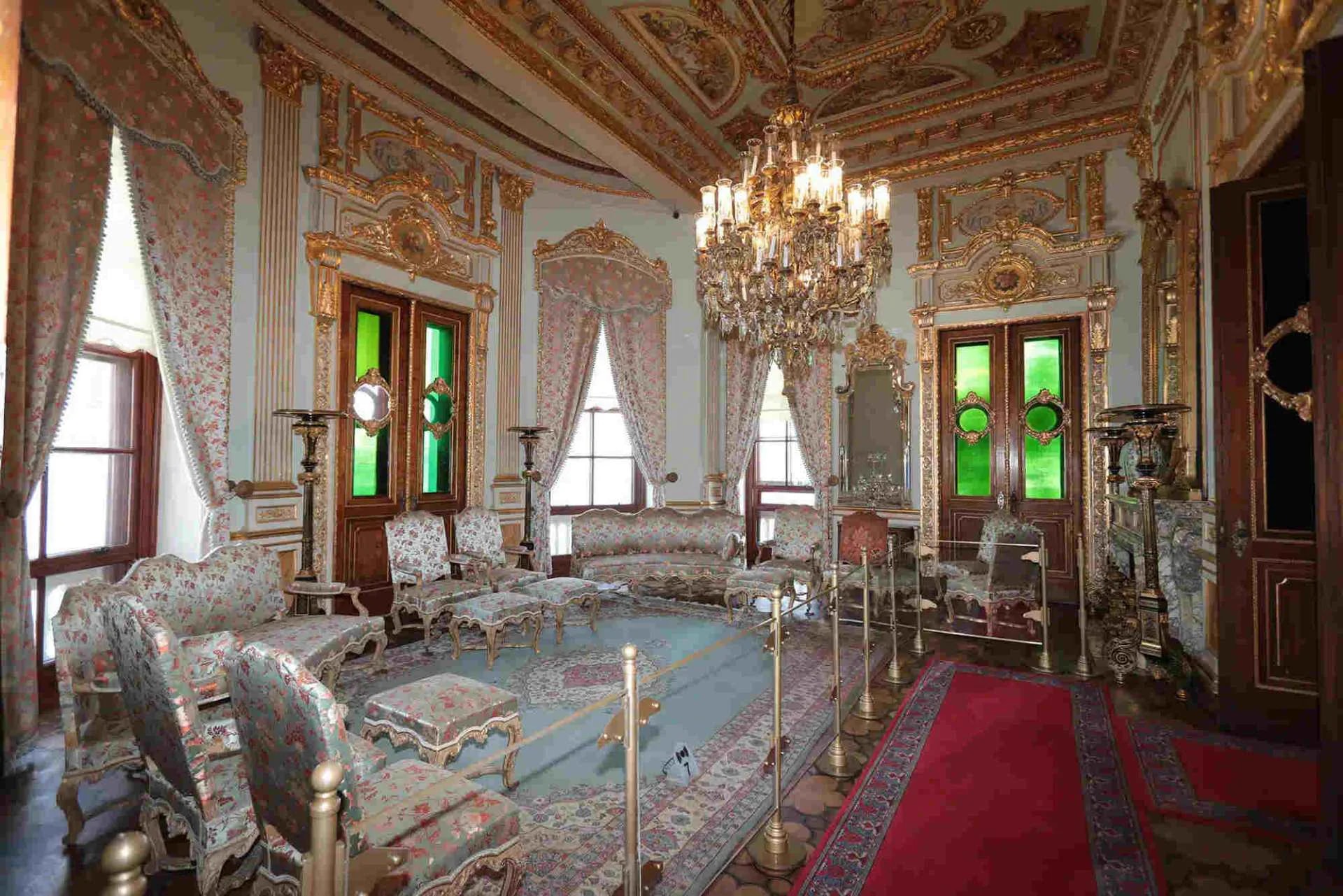
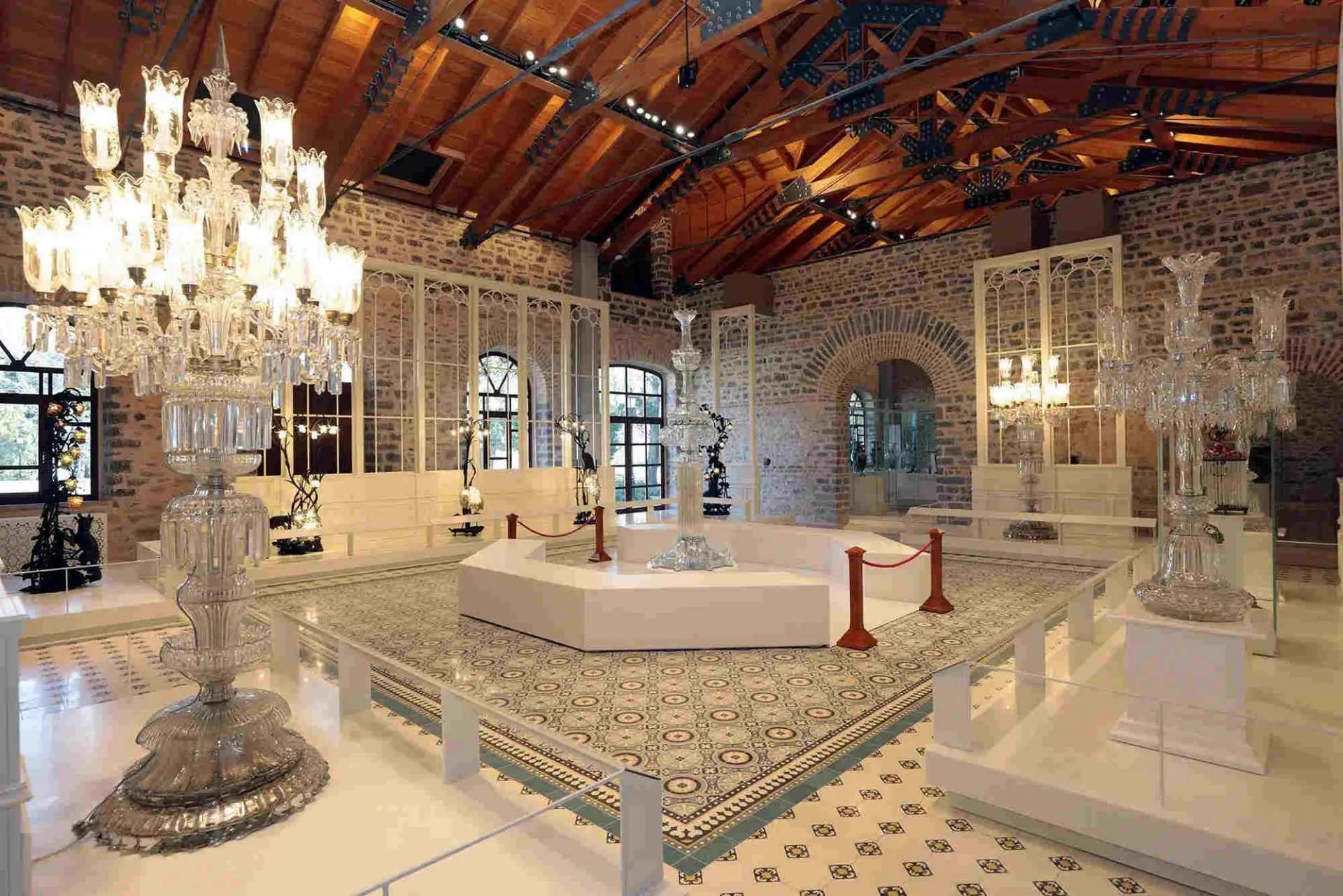
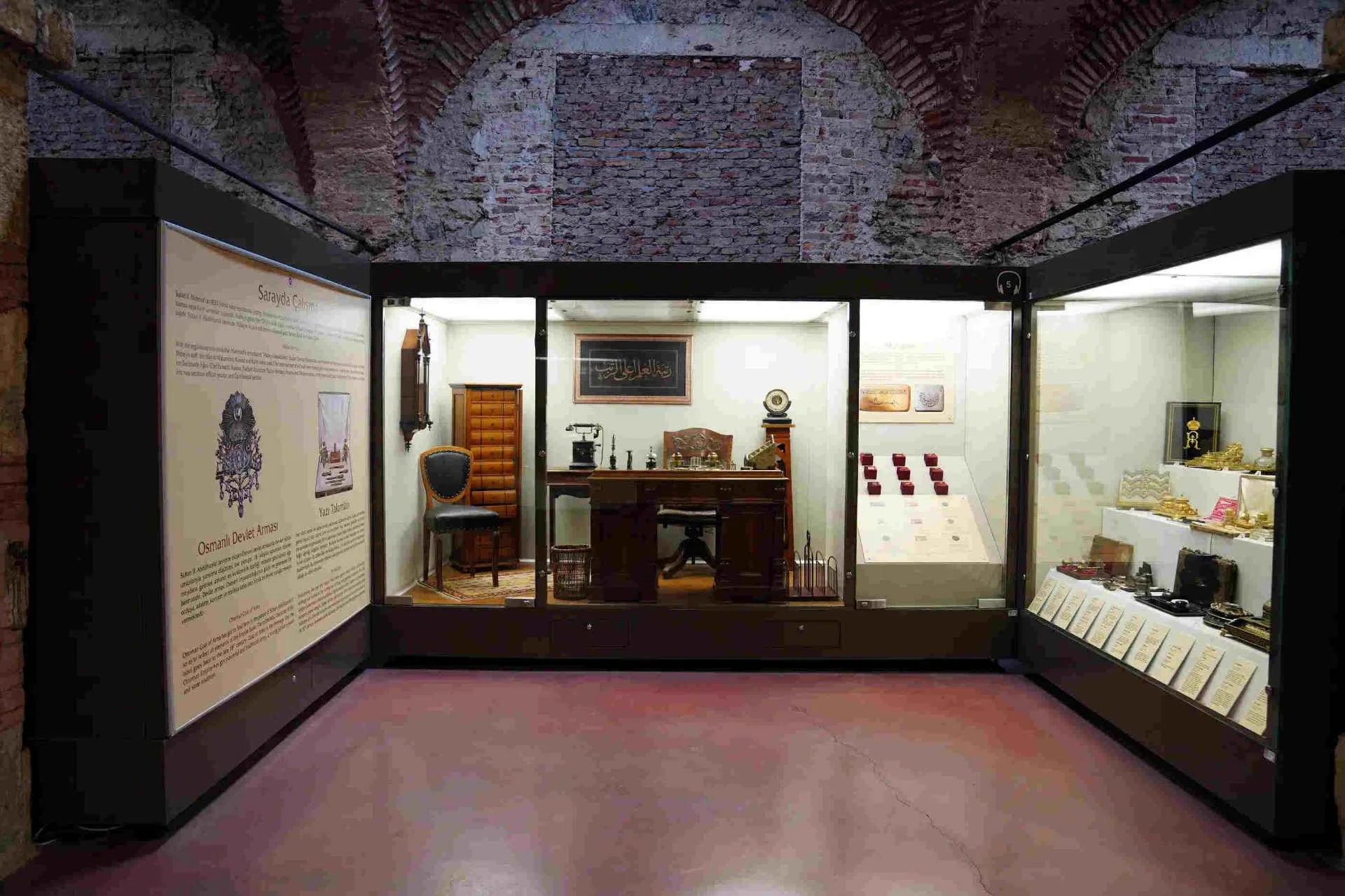
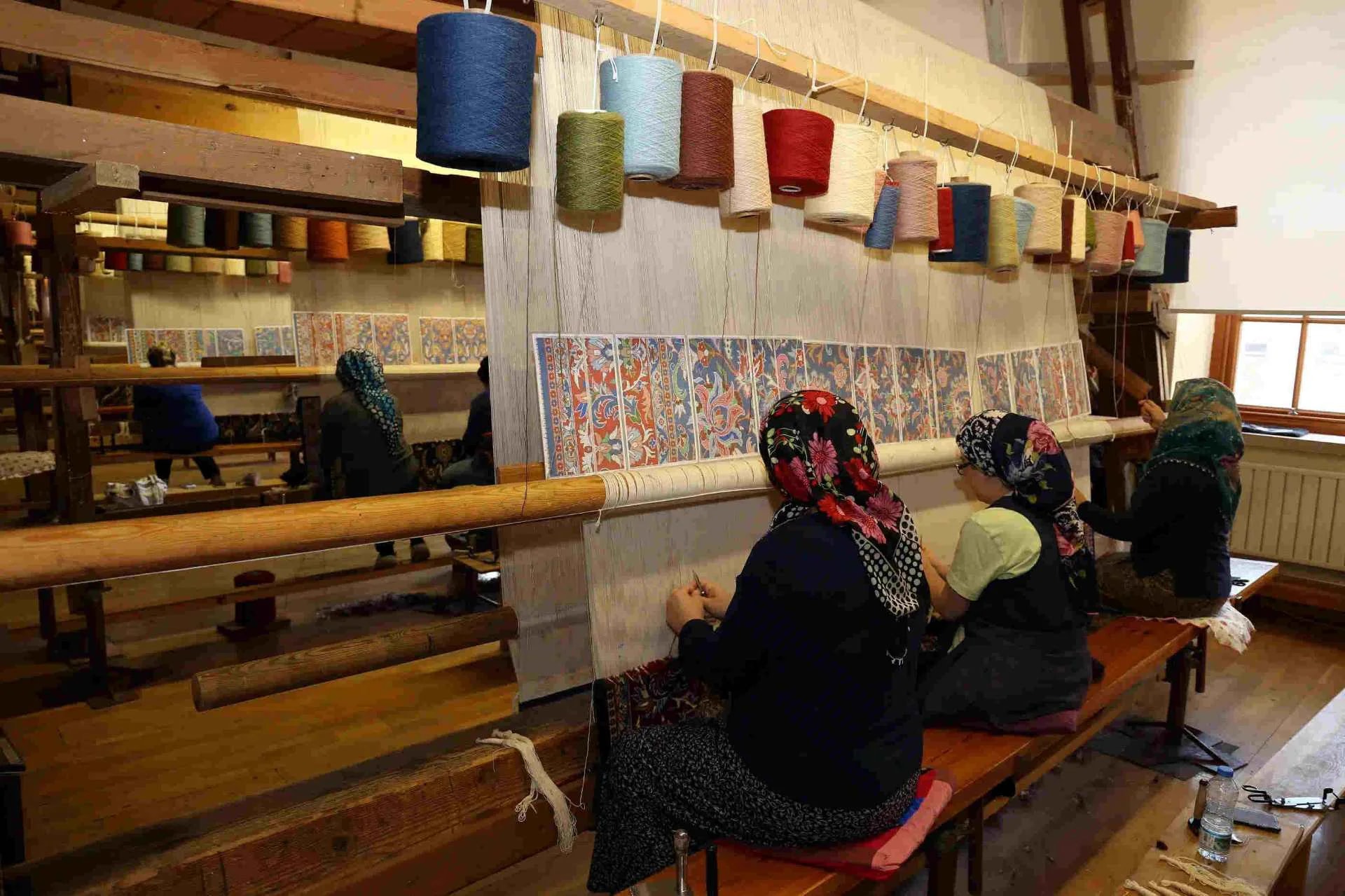
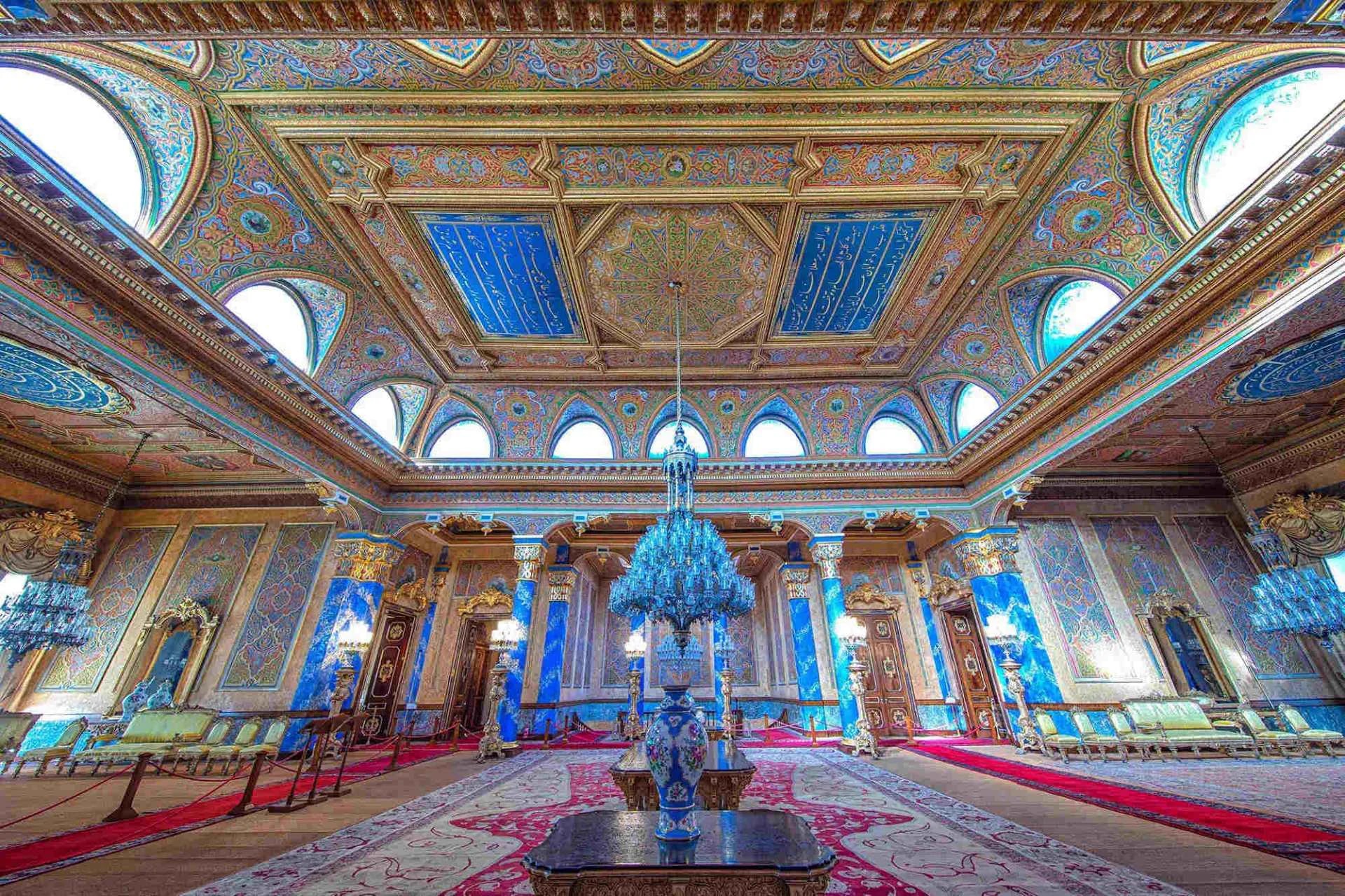
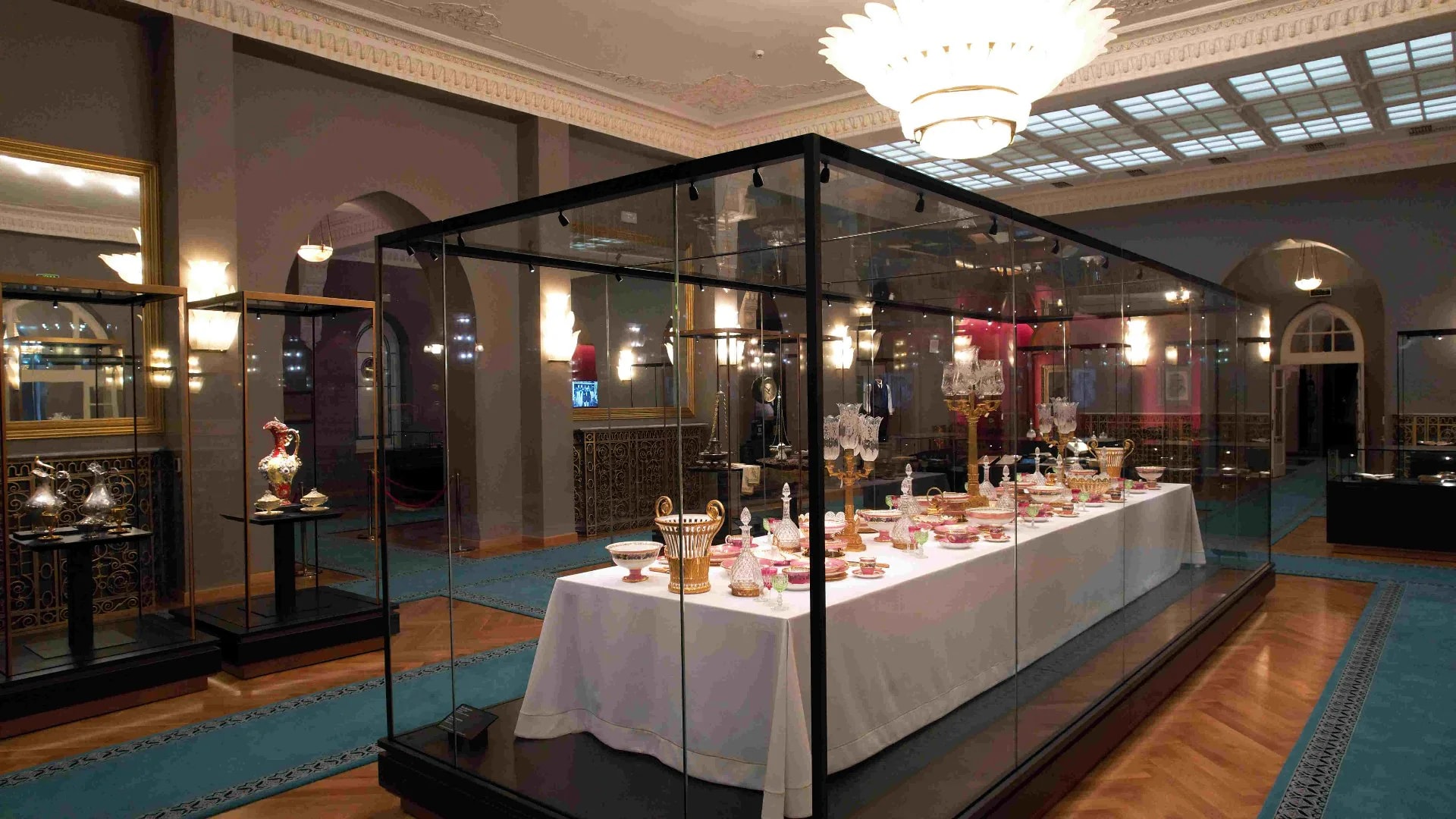
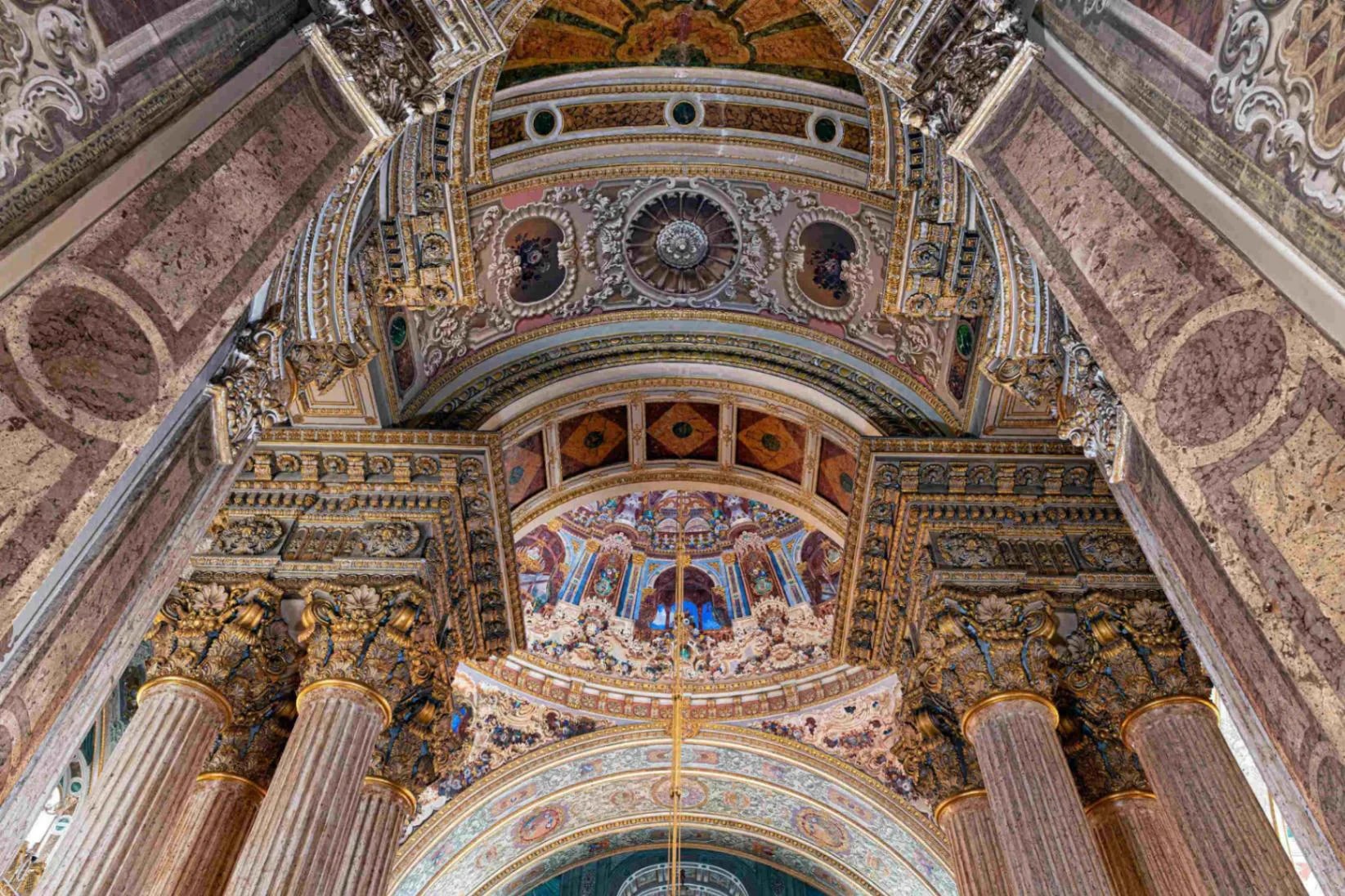
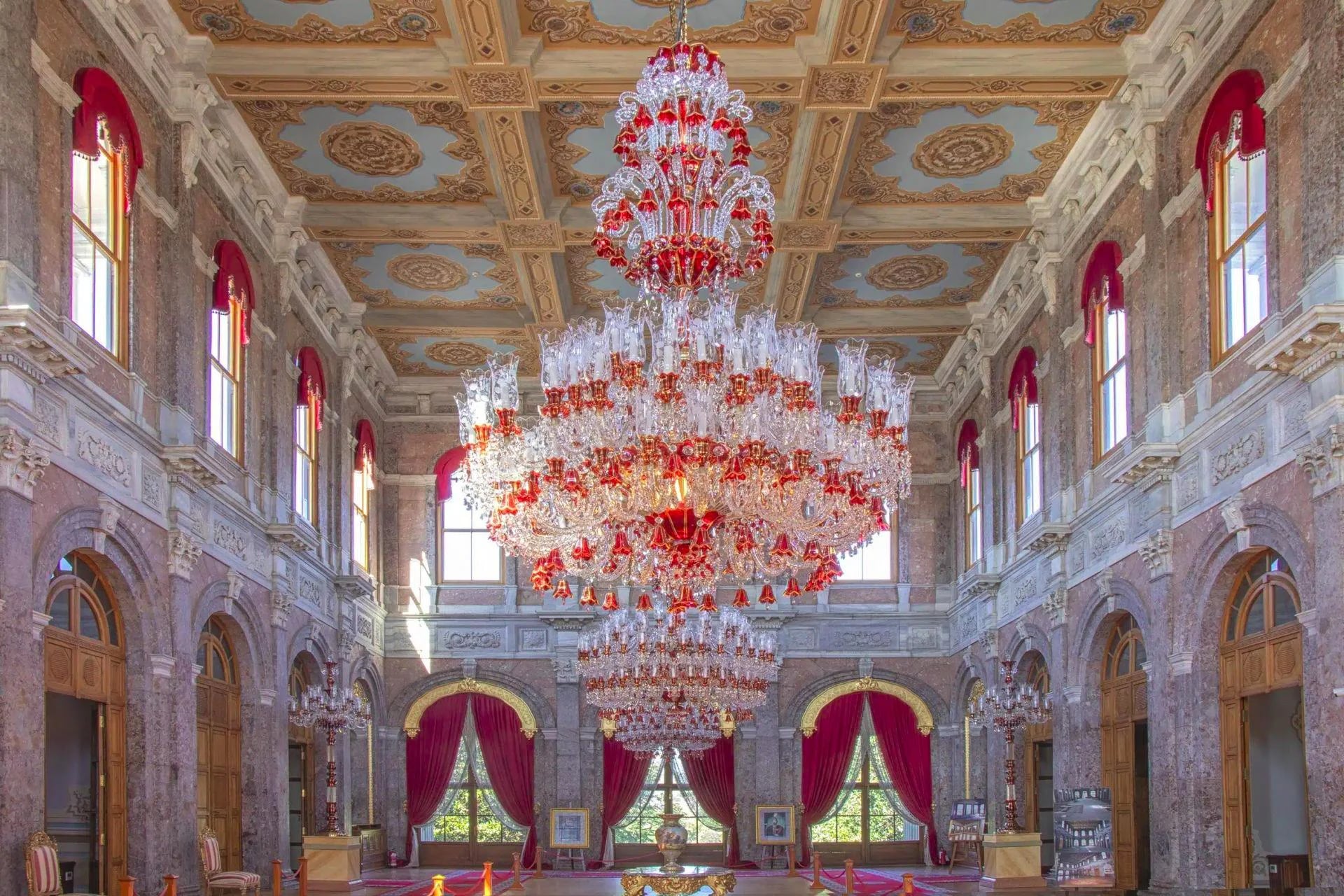
The interior design of the palace which combines Western and Eastern styles, shows some characteristics of traditional Turkish houses. The three-storeyed palace, including the basement, has 24 rooms and 6 halls. The floors of the palace are covered with straw mats from Egypt. Turkish Hereke carpets, French Baccarat crystal chandeliers; English, French and Turkish clocks made at the Haliç (Golden Horn) Dockyard in İstanbul; also Chinese, Japanese, French, German and Turkish Yıldız porcelain vases decorate the rooms and halls of the palace.
Additional information
- Tags
- Historical places
Contact Information
Gallery (13)